Interior Design in Phuket: A Comprehensive Guide
As we explore the vibrant world of interior design in Phuket, we uncover a unique aesthetic shaped by cultural influences, tropical climate, and sustainable practices. With its stunning landscapes and rich heritage, designing interiors in this tropical paradise involves careful considerations that go beyond mere aesthetics. Let’s investigate into the elements that define Phuket’s interior design scene and discover how we can create spaces that harmonize with this beautiful island.
Overview of Phuket’s Unique Design Aesthetic
Phuket is not just known for its gorgeous beaches and lively nightlife: it also boasts a distinct design aesthetic influenced by various cultural elements. This unique blend makes interior design Phuket not only visually appealing but also steeped in history and local tradition.
Cultural Influences on Interior Design in Phuket
In Phuket, we see a fusion of Thai, Chinese, and colonial influences reflected in the interiors of homes, hotels, and commercial spaces. Traditional Thai elements often feature intricate wood carvings, vibrant colors, and silk fabrics, which create a sense of warmth and welcome. The influence of Chinese culture can be observed in the use of bold red accents, ornamental objects, and feng shui principles, promoting harmony and balance in design. Colonial architecture adds an air of elegance with high ceilings, large balconies, and light-colored façades, offering a blend of functionality and style.
Popular Design Styles Found in Phuket
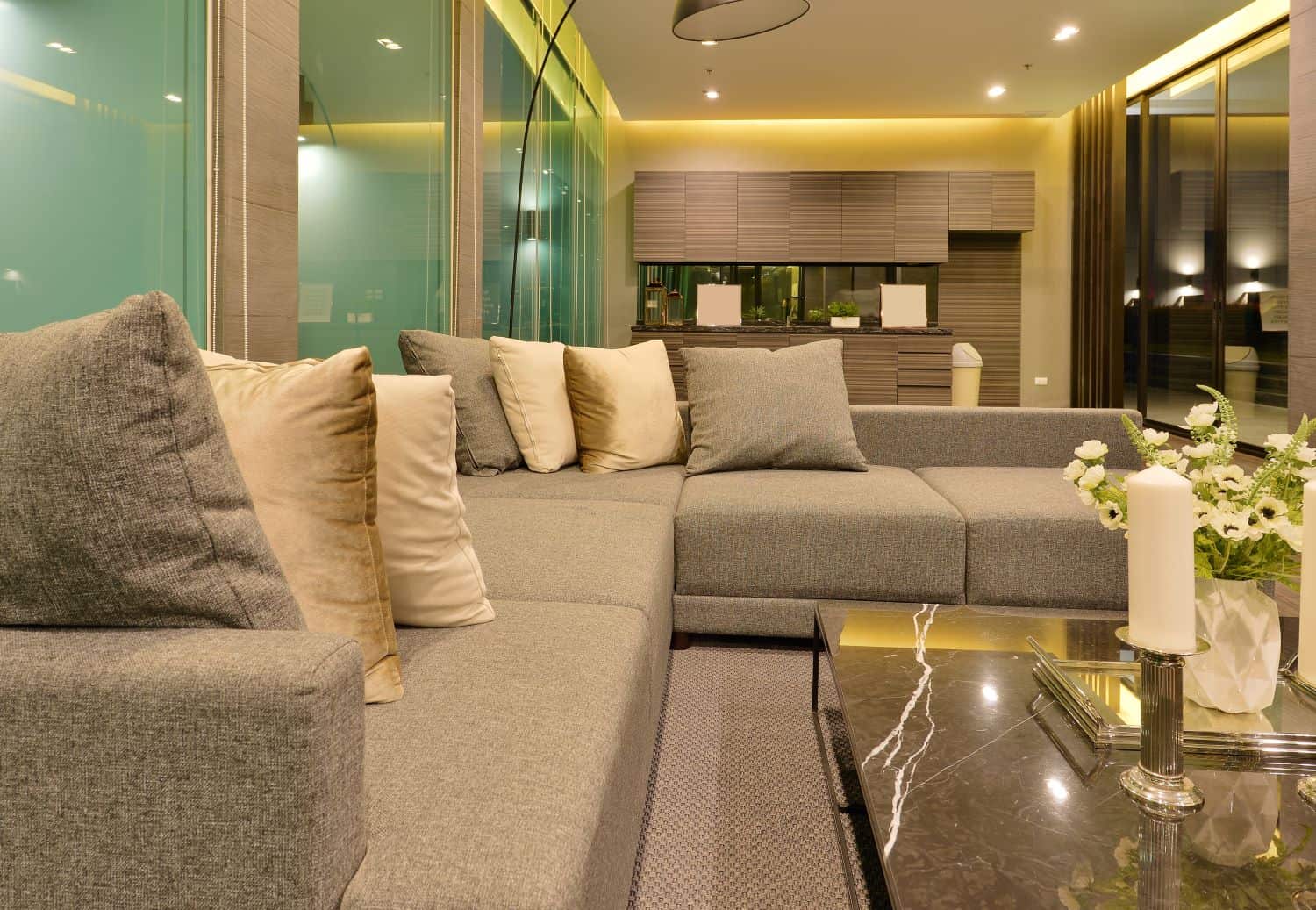
The interior design styles prevalent in Phuket range from modern minimalism to traditional Thai. Many of us appreciate the contemporary approach that embraces open spaces, maximizing natural light, and blending indoor and outdoor environments.
On the other hand, traditional Thai designs remain popular, especially in villas and resorts, where intricate details and handcrafted furnishings tell a story. We find an increasing preference for eco-luxury design, where comfort meets sustainability, using natural materials that complement the island’s beauty.